Do It Yourself Roofing Repair Work: A Step-by-Step Guide to Fixing Common Issues
You can tackle usual roofing system concerns yourself by beginning with a comprehensive examination for visible damages like missing out on roof shingles or sagging areas. Patch leakages by securing changing and blinking damaged shingles. Routine checks help prevent expensive fixings.
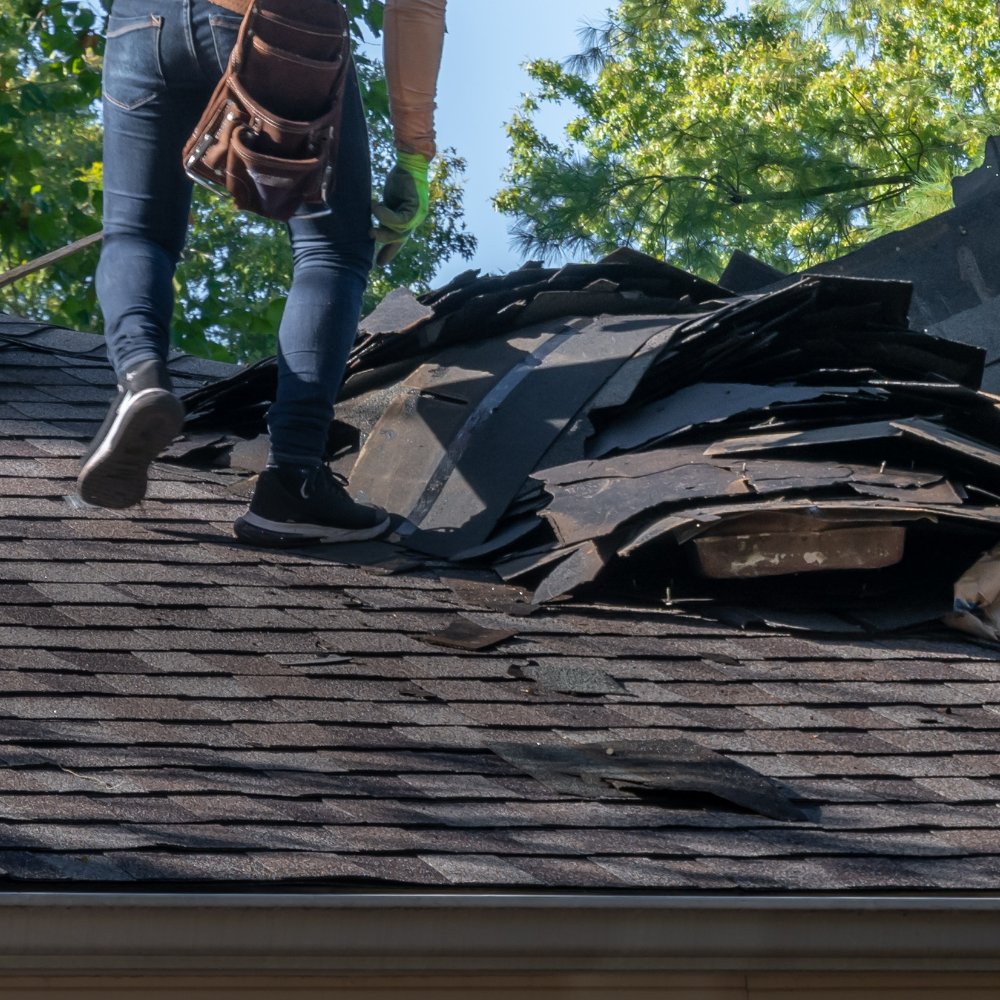 roof repair
Assessing Your Roofing for Damage
Before you climb up onto your roof covering, it's necessary to evaluate it from the ground to identify any type of noticeable signs of damages. Seek missing out on roof shingles, crinkled sides, or discoloration that may indicate leakages. Watch out for drooping areas, which can indicate architectural concerns. Take note of any kind of debris, like branches or leaves, that can be trapping wetness.
Following, examine your rain gutters for granules from tiles or standing water, both of which can indicate roof covering troubles. These might be indications of water damage linked to your roof. if you find any type of discolorations on ceilings or wall surfaces inside your home.
Don't neglect to take a look at flashing around chimneys and vents, as damaged blinking can cause leaks. If you notice anything concerning, it's best to address it without delay to stay clear of much more comprehensive repair services later. Always prioritize safety and security, and don't be reluctant to call a professional if required.
Collecting the Essential Devices and Products
Prior to you start your roof repair work, you require to collect the right tools and materials. Understanding what necessary devices you'll need, producing a checklist of necessary products, and prioritizing safety gear will certainly set you up for success. Let's discuss what you'll require to tackle this task successfully and safely.
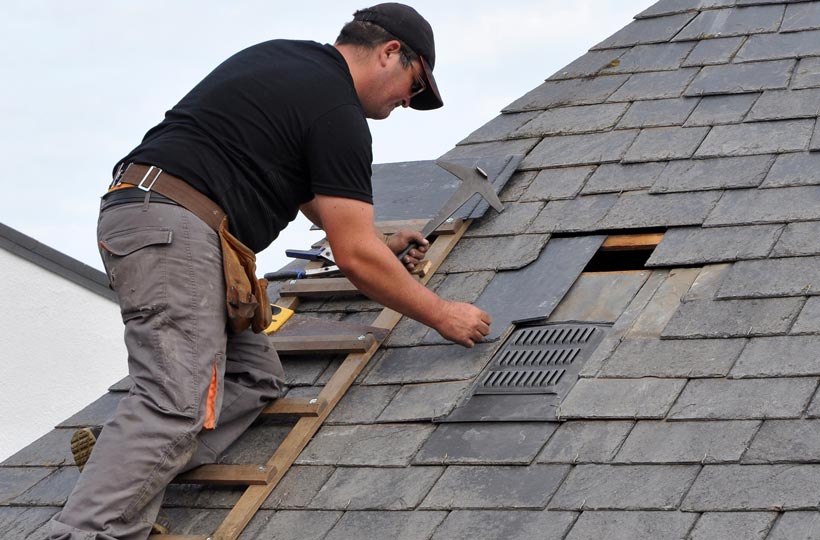 roof repair
Crucial Tools Introduction
A solid roofing system fixing starts with the right devices and materials at your side. To deal with common issues effectively, you'll require a few necessary devices. Order a sturdy ladder to safely access your roofing system. A roof covering hammer or a nail gun will certainly assist you secure roof shingles or other products. Don't neglect an utility blade for reducing roof products properly.
Safety and security equipment is crucial also; a pair of job gloves and safety and security goggles will shield you from sharp edges and particles. A tape procedure assurances accurate dimensions while a pry bar assists get rid of harmed tiles. With these devices in hand, you'll prepare to deal with various roof repairs confidently.
Required Products Checklist
With your tools ready, it's time to collect the materials needed for your roofing system repair work. Check your shingles. If they're harmed, purchase matching replacement shingles. You'll also need roof covering nails, a solid adhesive, and a sealant to guarantee whatever remains watertight. Don't neglect a tarp or roof covering paper to secure exposed locations while you function. Consider acquiring a water-proof membrane layer as well if you're dealing with leakages. For flashing repairs, buy new blinking products that fit your roof kind. Finally, get a pail or container for any debris you'll get rid of. Having all these products accessible will certainly make your repair procedure smoother and more effective, so you can do the job right.
Security Gear Relevance
While you could be enthusiastic to start your roofing repair work, don't ignore the relevance of security gear. Putting on the best tools can protect against serious injuries and guarantee you function effectively. Begin with a sturdy helmet to shield your head from dropping debris. Non-slip footwear are necessary for preserving grasp on the roof's surface area. Do not forget handwear covers; they'll keep your hands secure from sharp tools and products. Safety and security goggles will protect your eyes from dirt and particles. A harness is a should if your roofing is high or steep, avoiding drops. Finally, a first-aid kit must always get on hand for small injuries. Focusing on safety and security gear sets you up for a protected and effective fixing job.
Covering Roofing Leakages
When you observe a leakage, the primary step is recognizing its source to guarantee an effective patch. You'll require to pick the best materials for an enduring fix when you pinpoint the trouble. We'll stroll you via the very best application techniques to secure those leaks and protect your home.
Identifying Leak Sources
Exactly how do you pinpoint the resource of a roof leakage? Beginning by evaluating your roofing for visible damage or wear. If it's safe, climb up to your roof covering and aesthetically check for any type of problems.
Selecting Patch Materials
Selecting the appropriate patch products is vital for properly repairing a roofing leakage. For flat roofings, make use of a specialized patching material created for that surface area.
Always make sure the materials work with your existing roof covering to assure a durable fix. Additionally, examine the climate condition; some products require cozy or completely dry temperatures to stick correctly. Pick premium products to stay clear of regular repair work down the line. By picking the ideal products, you'll set on your own up for an effective patching work.
Application Methods Described
Applying spot products properly is vital for securing roof leakages and protecting against additional damages. Beginning by cleaning up the location around the leakage, getting rid of any particles, dust, or loose shingles. This assures a solid bond in between the roof covering and the patch surface. Next, cut your patch material to fit over the damaged location, prolonging it at least two inches beyond the edges of the leakage. Use a charitable layer of roofing adhesive or sealer to the area, then press the spot strongly into location. Smooth out any air bubbles and confirm the sides are well secured. Apply an added layer of sealant over the patch borders for extra protection. Enable the spot to heal completely prior to exposing it to rainfall or severe weather condition.
Changing Broken Shingles
When you notice damaged roof shingles on your roof covering, it's necessary to resolve the concern promptly to stop more leaks and architectural damage. Start by gathering your tools: a crowbar, hammer, roof covering nails, and substitute roof shingles that match your present ones. Carefully raise the damaged roof shingles with your pry bar to remove it without disrupting the bordering shingles. Inspect the area underneath for any type of indicators of damages once it's free. If every little thing looks good, slide the brand-new roof shingles right into location, aligning it with the others. Protect it with nails, seeing to it to adhere to the producer's standards for placement. Keep in mind to cover the nail heads with a little roof cement to ensure proper sealing. Tip back and inspect your work to validate a seamless look. With these quick steps, you can successfully change damaged roof shingles and preserve your roofing system's integrity.
Cleansing and Maintaining Gutters
To keep your roof covering in leading condition, on a regular basis cleaning and keeping your seamless gutters is essential. Clogged up rain gutters can lead to water damages, mold and mildew development, and even architectural concerns. Start by inspecting your gutters for particles like leaves, branches, and dirt. Use a durable ladder and put on handwear covers to get rid of any kind of build-up. A scoop or trowel can assist you clear stubborn obstructions.
Following, flush your rain gutters with a garden pipe to ensure water moves openly. Inspect for leakages or rust spots while you're at it. Think about using a sealer or replacing damaged sections. if you notice any type of problems.
To prevent future blockages, mount rain gutter guards or screens, and make it a routine to cleanse your gutters at the very least two times a year, specifically before heavy rains or snow. Regular maintenance not only expands the life of your rain gutters but likewise protects your entire roof.
Sealing Roofing Vents and Flashing
Sealing roofing vents and flashing is necessary for preventing leaks and safeguarding your home from water damages. Beginning by examining the areas around your roofing system vents and blinking for any kind of splits or gaps.
Apply the sealant generously, filling all voids and cracks, then smooth it out with your finger or a caulking device for a neat finish. Make sure the sealer prolongs a little beyond the edges to develop a strong bond.
Enable the sealer to cure according to the maker's instructions, generally a couple of hours or over night. After sealing, it's an excellent idea to check your job after a rainstorm to confirm whatever stays water tight. Regular upkeep of your roof vents and flashing can conserve you from expensive fixings down the line.
Checking and Repairing Roof Valleys
Roof covering valleys are vital locations where 2 slopes meet, and they play a vital role in routing water away from your home. To check your roof covering valleys, begin by climbing up securely and looking for signs of damage like loosened tiles, cracks, or debris.
For minor fixings, replace damaged tiles and use roof covering concrete to secure gaps. Taking care of roof covering valleys promptly will assist shield your home from water damage and prolong the life of your roof.
Often Asked Concerns
How Can I Determine if My Roofing Needs Substitute Rather of Repair Service?
To determine if your roofing needs substitute, check for substantial damage, drooping areas, or missing shingles. If leakages continue in spite of repair work or it's nearing the end of its lifespan, consider substitute over repair service.
What Safety and security Precautions Should I Take While Repairing My Roofing?
When repairing your roof, constantly use a safety belt and non-slip shoes. Make certain your ladder's steady, avoid operating in negative climate, and have someone close by to aid you in instance of emergency situations.
Just how Commonly Should I Examine My Roofing for Damage?
You need to evaluate your roofing system at least two times a year, preferably in spring and fall. After serious weather, look for damages as well. Normal evaluations can help you catch problems prior to they become costly fixings.
Can I Repair My Roof in Bad Weather Conditions?
You should not attempt roofing repairs in negative weather condition. Rain, snow, or strong winds can raise risks and complicate the procedure. Wait on clear conditions to guarantee your safety and security and attain a correct repair service.
If I Encounter Wild Animals in My Attic Throughout Fixes?, what Should I Do.
If you encounter wildlife in your attic during repair work, stop immediately. Protect the area, avoid shocking the animals, and call an expert wildlife removal service to securely deal with the situation prior to continuing your job.
Before you begin your roof covering repair, you require to collect the right devices and products.A solid roofing fixing starts with the right tools and products at your side.With your devices all set, it's time to gather the products required for your roofing repair work.Selecting the appropriate spot materials is essential for effectively repairing a roof leak. Taking care of roof valleys promptly will help protect find out more your home from water damage and prolong the life of your roof covering.